[pageLogInLogOut]

#Textiles & Apparel / Garment

Wear comfort: very good - Targeted support for marketing clothing | Extensive laboratory testing for optimum product development

For advertising special properties of clothing items, many manufacturers and retailers are already using independent certificates and certifications through neutral institutions such as the Hohenstein Institute.

The experts from the Swabian testing and research centre also offer a comprehensive range of internationally established testing services for one of the most essential quality characteristics of all types of clothing – wear comfort. These allow objective analysis and evaluation of characteristic values which are important for the perception of comfort. The measurement values determined in the laboratory can be represented by a wear comfort vote which can be understood without any expert knowledge. This creates more transparency and comparability when buying textiles – for end consumers as well as for other users such as buyers from leasing firms or public procurement personnel.

The Hohenstein Institute is one of the pioneers in the field of quantitatively determining wear comfort, which is the interaction between the human body, the climate and the clothing worn. Many of the test methods, measurement devices and standards which are globally valid today are also the result of the Hohenstein researchers and their decades of experience. The evaluation of wear comfort of clothing is based on two central influential factors – the thermal-physiological properties as well as the skin sensorial characteristics.

The thermal-physiological aspects include heat insulation and moisture management, meaning how well the textiles will keep the wearer warm in defined wearing situations while at the same time storing sweat or wicking it away from the body. The measurements for this include water vapour resistance as a measure of breathability, sweat buffering and sweat transport as well as drying time of textile materials. The skin sensorial quality provides information about how the textile material feels on the skin, for example whether it will stick to the skin uncomfortably during sweating or if it is too stiff to suitably adapt to the wearer's body shape.

Product comparison made easy The wear comfort vote also developed at Hohenstein provides an overall evaluation of the comfort properties of textile materials. The grading scale from 1 (very good) to 6 (insufficient) corresponds to the German school grading system, using certain formulas to provide a clear representation of the measurement results from the laboratory tests. The characteristic values and parameters which are decisive for the physiological comfort are weighted differently depending on the intended use of the test samples – functional sports clothing for example requires different formulas than fabrics which are used for protective clothing.

Comfort therefore depends on the different situations the wearer is exposed to: At lower ambient temperatures and with only little physical activity the clothing primarily has to have adapted thermal insulation and good breathability to obtain a good wear comfort vote. As the wearer perspires more as a result of rising ambient temperature and increasing activity, the thermal insulation has to be lower and the textile material should be more capable of buffering the increased accumulation of sweat. Large amounts of sweat due to very high ambient temperatures and/or a high level of physical activity have to be effectively absorbed by the fabric and transported away from the body as quickly as possible. The clothing should also dry quickly to prevent the wearer from getting cold during rest phases. The textile should also feature optimum skin sensorial properties for all conceivable wearing situations in order to obtain a good wear comfort vote.

At the point of sale the wear comfort vote can, for example, be clearly advertised by marking the product with the Hohenstein Quality Label. As this label also allows other functional properties such as UV protection factor, antimicrobial effect or dirt-repellent and odour-inhibiting finishes to be tested and certified, customers receive a comprehensive statement about the quality characteristics of an item at a glance. 

From the idea to a successful product Apart from the wear comfort vote for product marketing, the clothing physiology laboratory tests also provide targeted support for manufacturers with the development of textiles, for example when it comes to ideally adapting the materials to different climate conditions or specific areas of use such as athletic activities.

During the new development of clothing, exploratory measurements can initially be carried out with a large amount of textile samples to determine particularly important indicators for the end product, allowing unsuitable textiles to be excluded from the outset. Sweat wicking properties for sports textiles would be an example for such an indicator. This is followed by the verification of wear comfort on a few material samples of the new product. In another step the ready manufactured garments can be examined with the help of the thermal manikin ‘Charlie’, which can be used to simulate body movements and different skin temperatures for each area of the body. Depending on the intended use of the garments, further laboratory tests on human test subjects can be practical. They simulate the specific wearing situation and correlate the measurement results from the fabric tests with those of the wear trials. To allow scientific reproduction of the ambient conditions for certain areas of use of the clothing, the examinations with the thermal manikin as well as the wear trials with the human test subjects take place in a climatic chamber where factors such as temperature, air movement and humidity can be regulated individually.
Pic: On the basis of years of experience and extensive studies on test subjects, the experts from the Hohenstein Institute are able to convert the laboratory results into a grading which can securely predict the wear comfort of a person wearing a certain textile.


More News from Hohenstein Institute

#Textiles & Apparel / Garment

Global size study for brands and retailers to optimize fit and market coverage

Hohenstein Apparel Fit Solutions, a global leader in apparel fit, sizing, and product development, today announces the launch of its Global Size Study, a new initiative designed to equip brands to better understand and serve their target consumers through more accurate, market-relevant sizing.

#Sustainability

A new standard to combat plastic waste in forests

With DIN SPEC 35808 “Tree Shelter for Forestry Applications,” the testing and research service provider Hohenstein, in collaboration with Rottenburg University of Forestry, as well as forestry authorities and industry partners, has established a clear framework for bio-based and fully biodegradable tree shelters. The pre-standard defines requirements and practical testing methods designed to reduce plastic waste in forests and strengthen the long-term protection of soil and the environment.

#Research & Development

Hohenstein publishes 2025 Sustainability Report

The testing and research service provider Hohenstein has published its latest sustainability report, outlining key progress and strategic initiatives. The report focuses on ambitious CO₂ reduction targets, the company’s new mission statement and the systematic expansion of sustainable services for customers worldwide.

#Research & Development

New DIN SPEC assesses environmental impact of textile fragments in soil

Textile products made from synthetic fibres, finished fabrics or dyed materials release fibre fragments into the environment at every stage of their life cycle. With the new DIN SPEC 19296, Hohenstein has developed a standardised testing method to analyse how these fragments behave in soil under natural conditions. Until now, little was known about their environmental behaviour or potential ecological effects once released.

More News on Textiles & Apparel / Garment

#Yarn & Fiber

Next week’s focus: Intertextile Shenzhen & Yarn Expo Shenzhen fuse textile tradition with sustainable, digital trends

Fashion will not be left behind in one of the world’s undisputed tech and manufacturing capitals. Which is why next week, at Intertextile Shenzhen Apparel Fabrics and Yarn Expo Shenzhen 2026, the organisers have made special efforts to integrate textile topics such as materials innovation, holistic sustainability, digitalisation and AI. Yet, from 9 – 11 June at the Shenzhen Convention and Exhibition Center, the platform also includes timeless tradition and heritage-inspired evolution in equal measure. Across both shows, over 600 exhibitors from 11 countries and regions are set to showcase everything from Peruvian alpaca wool fabrics to tea-derived fibres, while their fringe programmes will explore diverse solutions along the entire value chain.

#Textiles & Apparel / Garment

New sourcing regions and sustainable solutions shape Texworld Paris 2026

From August 31 to September 2, 2026, Texworld Apparel Sourcing Paris will once again bring together all international players in textiles and apparel at the Paris-Le Bourget Exhibition Center.

#Textiles & Apparel / Garment

Messe Frankfurt commits further to East Africa: three textiles trade fairs during Africa Sourcing and Fashion Week from 2027

Messe Frankfurt and its Texpertise Network continue their steady, successful trajectory in the region. As Africa Sourcing and Fashion Week (ASFW) opened today, Member of the Executive Board Detlef Braun announced that Messe Frankfurt is licencing its three leading international trade fair brands Texworld, Apparel Sourcing and Texprocess to Nairobi, Kenya for the first time in 2027. From now on, they will take place annually as part of the Africa Sourcing and Fashion Week (ASFW) Nairobi.

#Knitting & Hosiery

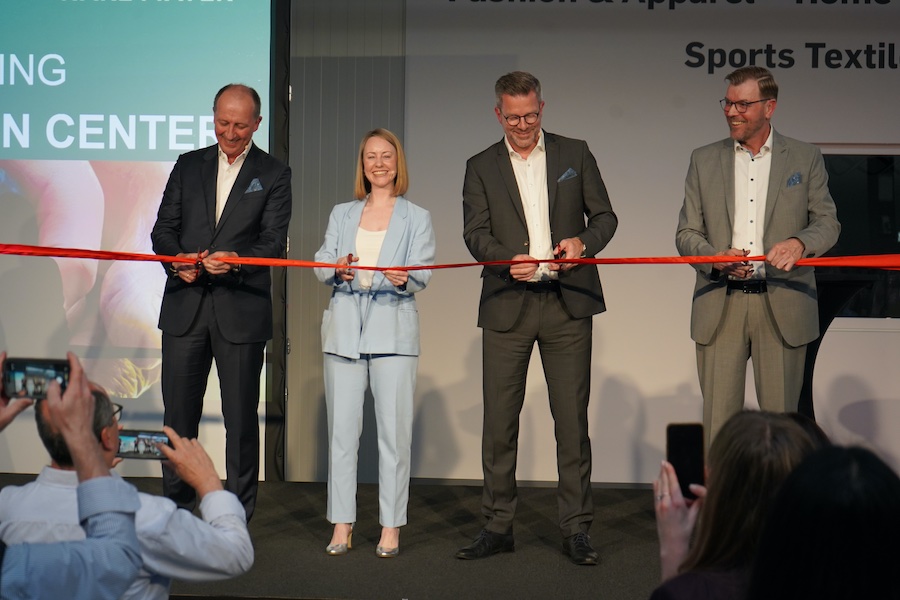
“We Believe in the Value of Textiles”: Successful Opening of the KARL MAYER TEXTILE INNOVATION CENTER

KARL MAYER inaugurated its new, state-of-the-art TEXTILE INNOVATION CENTER (TIC) with a four-day opening week from April 21 to 24. The highlight of the week was the grand opening on Thursday, which drew a strong turnout from the international textile industry: around 220 customers, brands, and partners from across the textile value chain came to the company’s headquarters in Obertshausen for a first-hand look at the new high-tech development environment and lively exchange with industry peers.

Latest News

#Spinning

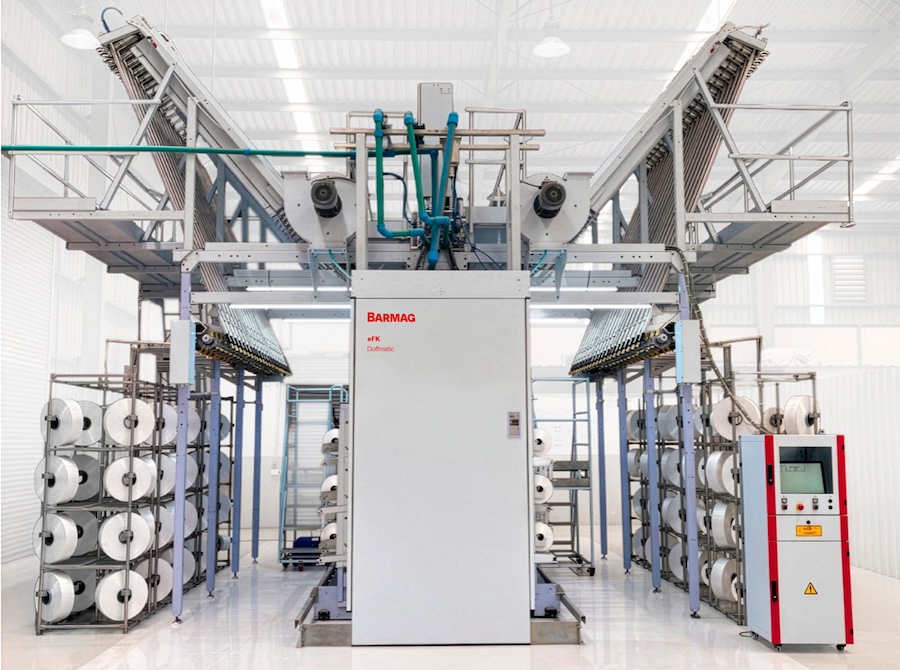
Barmag and Hitech Automation enter into partnership for an auto-doff system for texturing machines

Barmag (Suzhou) Technology Co., Ltd. and Hitech Automation Solutions PVT LTD. of Surat, India, have agreed to an exclusive partnership to jointly market Hitech’s Doffmatic automation solution for Barmag’s proven manual eFK texturing machines. In many texturing facilities, manual doffing processes remain heavily operator-dependent – resulting in issues such as increased scrap, inconsistent quality, and limited productivity.

#ITM 2026

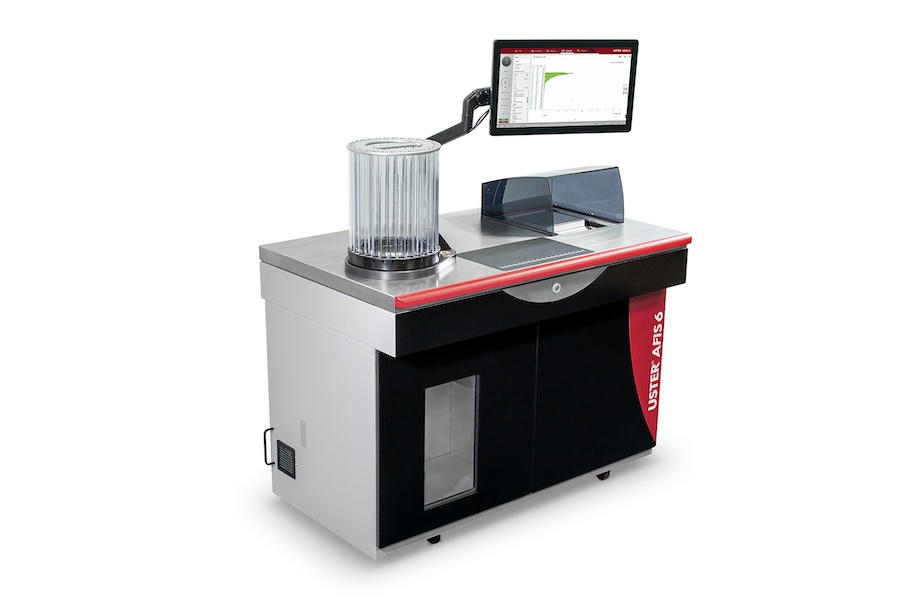
Uster’s new Recycling Opening Index guides spinners to the perfect blend

Uster AFIS 6 now offers the key data for better decisions when blending recycled fibers. Process control is decisive in determining the quality and economic outcome. The new R Recycling Module of AFIS 6 introduces the Recycling Opening Index (ROI), so spinners can optimize their circularity credentials. It was officially launched at ITM 2026 in Istanbul, Türkiye.

#HIGHTEX 2026

The heart of the technical textiles and nonwovens world will beat in Istanbul

Only 1 day remains until HIGHTEX 2026 International Technical Textiles and Nonwovens Exhibition opens its doors. Bringing together manufacturers, technology developers, investors, and industry professionals from around the world, HIGHTEX 2026 is preparing to showcase the innovations shaping the future of the industry. As the countdown to this major event continues, Istanbul is once again getting ready to become the meeting point of the global technical textiles industry.

#Man-Made Fibers

Grasim Industries announces fresh investment of ₹3094 Crore to expand Lyocell capacity

Grasim Industries Limited, the flagship company of the Aditya Birla Group and a global leader in cellulosic fibres, today announced an investment of ₹3,094 crore, for Phase II Lyocell capacity of 110K TPA at Harihar, Karnataka. This expansion will consist of 2 lines of 55K TPA (150 Tons per day) each. The first line is expected to be commissioned by 2028, and the second line is expected to be commissioned by 2030.

TOP